The Future of AI in Education: Beyond The Classroom

Dr. Arjun Mehta
Head of Innovation, MITS
The Future of AI in Education: Beyond The Classroom
Education is going through a once-in-a-generation shift. Tools powered by artificial intelligence are no longer experimental add-ons. They sit inside daily classroom workflows, study apps, and exam preparation platforms. The real question is no longer whether AI belongs in education, but how teachers and students can use it responsibly.
1. Personalized Learning Paths
Every learner has a different pace, different strengths, and different gaps. AI systems can analyse performance data and recommend the next best topic, exercise, or revision plan. This means students stop wasting time on what they already know, and spend more time on what they actually need to improve.
A truly personalised learning path is the closest thing we have to giving every student a private tutor at scale.
For institutions, this opens a new model where curriculum is dynamic instead of fixed. Teachers move from being the only source of content to being mentors who guide the learner through a path that the AI helps shape.
2. Automation
Grading, attendance tracking, lesson plan formatting, and routine reporting consume a large part of a teacher’s working day. AI tools now handle most of these reliably. The result is simple: teachers reclaim time and focus on what humans do best, which is mentoring and one-on-one engagement.

Automation also reduces administrative bottlenecks for institutions. Application screening, fee follow-ups, and class scheduling can be operated by intelligent agents that work alongside human staff.
When implemented thoughtfully, automation does not replace teachers. It removes the repetitive load so that classrooms become more interactive, more creative, and more focused on real learning outcomes.
- Personalised revision plans based on weak topics
- Faster grading with consistent rubrics
- Early alerts when a student is falling behind
- More time for labs, projects, and mentorship
Final Conclusion
AI in education is not a future trend. It is already here. Schools, colleges, and training institutes that adopt it early will offer richer learning experiences. The opportunity for students is to learn how to use these tools to accelerate their own growth, instead of being intimidated by them.
You might also like
How AI is Transforming Education: A New Era of Learning
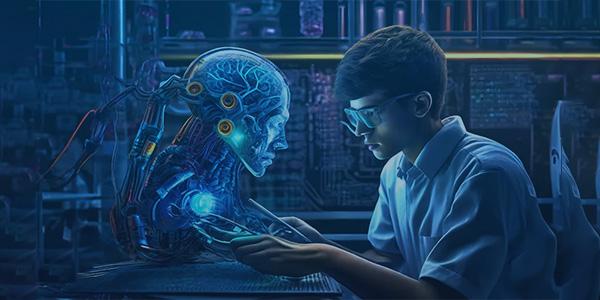
From intelligent tutoring systems to automated assessments, AI is revolutionizing the way students learn and teachers teach. Discover how MITS is embracing this shift to deliver smarter, more personalized education experiences.
Read More
Machine Learning All The Way Forward
AI is reshaping education with personalised learning paths, automation, and new assessment methods. A practical look at what schools and training institutes can do today.
Read More